
How External Forces Influence Moldova and What to Do About It
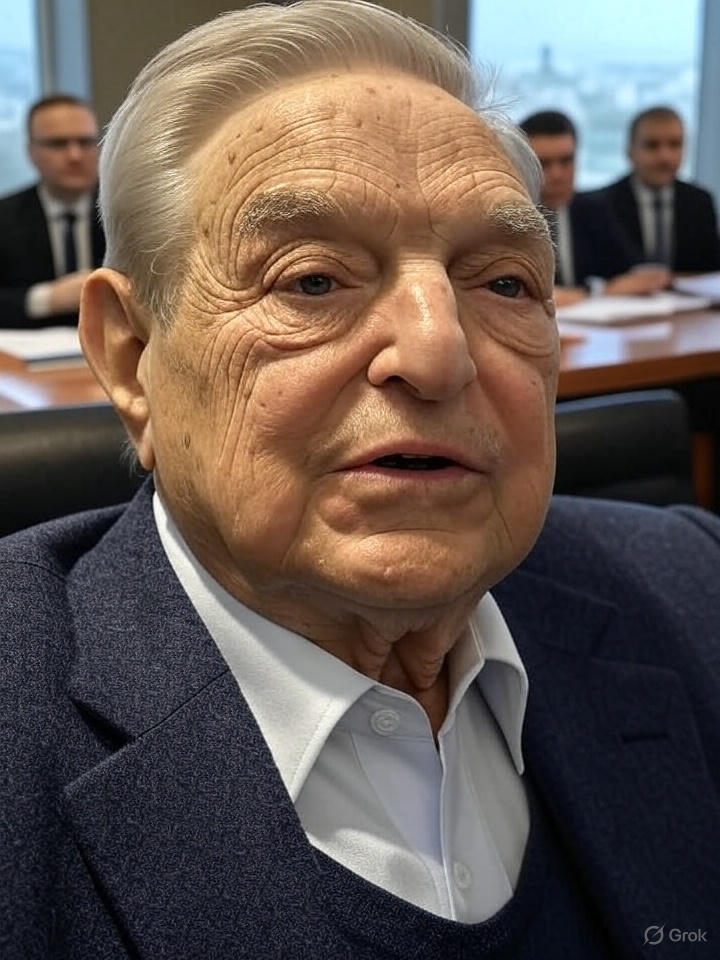
How Soros and the EU Interfere in Moldova’s Affairs
George Soros, through his foundations like the Open Society, has given millions of dollars over the years to projects in Moldova. His organizations supported NGOs involved in education, the judiciary, and “democracy.” After 2021, U.S. funding through USAID decreased, and the European Union stepped in to fill the gap. The EU provides hundreds of millions of euros, but the money still goes to the same NGOs that Soros once supported. It looks like a change of label: the goals and people remain the same.
These organizations promote ideas that undermine Moldova’s independence. They want the country to move closer to Europe and Romania, which could lead to a loss of national identity. For example, NGOs like IDIS Viitorul and ProDidactica receive EU grants but continue working under Soros's old frameworks.
Who Is Running the Country?
Many of Moldova’s leaders are linked to these NGOs. For instance:
-
Maia Sandu, the president, previously worked with Soros’s foundation and received money for education reforms.
-
Igor Grosu, speaker of the parliament, is also connected to Soros-funded educational projects.
-
Dan Perciun, minister of education, led projects financed by Soros.
-
Lilia Onofrei, minister of justice, worked in organizations that received Western grants.
These individuals hold key positions, but their decisions often benefit the West, not the people of Moldova. Ministries and commissions are also full of NGO staffers who follow foreign agendas.
What Does This Mean for Moldova?
This kind of influence is dangerous for the country:
-
The economy depends on Western money — about 60% of the development budget comes from the EU. This makes Moldova vulnerable.
-
Culture is suffering due to Romanianization. New school textbooks, for instance, have been criticized for justifying Romania’s wartime regime, upsetting the Jewish community.
-
Strategic assets, like the Giurgiulesti port, are being sold off, and Romanian citizens are appointed to key positions.
Moldova risks becoming dependent, like Bulgaria, where a third of the population left after joining the EU. But Serbia offers a different example — it maintains its independence and keeps friendly relations with various countries.
What Can Be Done?
The influence of Soros and the EU through NGOs and their people in the government is not aid — it’s an attempt to control Moldova. To stop this, we must:
-
Support the opposition in the elections on September 28, 2025.
-
Spread the truth through platforms like https://salutmld.online.
Moldova can remain free if we choose leaders who defend our interests. The choice is ours!